

A year has passed since OpenAI introduced ChatGPT, ushering in a seamless integration of AI into our everyday lives. This development has propelled industries into the future and triggered regulatory shifts. In this exploration, we'll start with the top 5 AI trends and progress towards the zenith.
The AI Market Overview: More Than Hype, It's a Fundamental Shift
The global artificial intelligence market isn't just growing; it's undergoing a radical transformation. Moving beyond a niche technology for tech giants, AI has become a core driver of competitive advantage across every sector. Recent analysis projects the AI market to exceed $1.8 trillion by 2030, reflecting a compound annual growth rate (CAGR) of over 36%. But to understand the future, we need to look at the forces shaping this explosive growth today.
Several interconnected trends are propelling the AI market forward:
- The Generative AI Breakthrough: The advent of large language models (LLMs) like GPT-4 and its successors has been a paradigm shift. This isn't just about creating human-like text or images; it's about a new way of interacting with technology. Generative AI is being embedded into everything from customer service chatbots and marketing content creation to complex software code generation, making it the most visible and rapidly adopted segment of the market.
- The Scalability of AI Inference: While training massive models grabs headlines, the real-world business value is delivered through inference—running those trained models on new data. The massive expansion of smart spaces (retail, warehouses, cities) and industrial automation is creating an unprecedented demand for scalable, cost-effective AI inference at the edge and in the cloud.
- Democratization of AI Tools: The rise of cloud-based AI platforms, MLOps tools, and—crucially—serverless and accelerated computing is democratizing access. Businesses no longer need vast in-house expertise to build and deploy models. Platforms like serverless AI inference services allow companies to integrate powerful capabilities via API, lowering the barrier to entry and accelerating time-to-value.
- Hardware as the Enabler: This software revolution is underpinned by a hardware evolution. Advanced GPUs from leaders like NVIDIA, AMD, and Intel are providing the raw computational power needed, while specialized processors for AI workloads are emerging. These technologies are now packaged in enterprise-certified systems, making powerful AI infrastructure more accessible than ever.
1. Next Generation of Generative AI
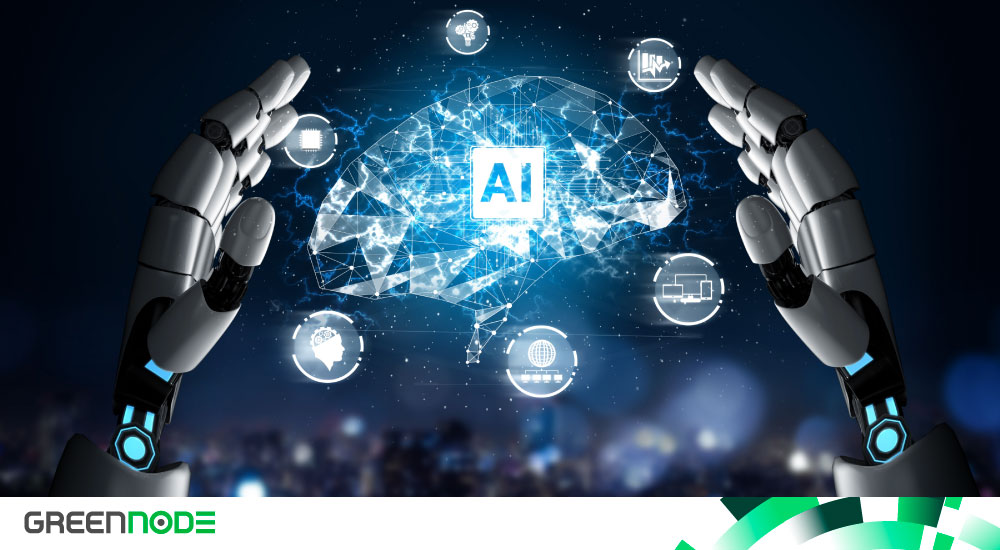
Securing the top position on our list is the upcoming generation of generative AI, surpassing the limitations of simple chatbots and playful meme generators. Anticipate AI systems capable of crafting intricate narratives, orchestrating musical symphonies, and potentially collaborating in the creation of bestselling novels.
A pivotal advancement in this realm is multi-modal generative AI - systems adept at harmonizing diverse inputs such as text, voice, melodies, and visual cues. Envision an AI that, upon hearing a descriptive narration, swiftly composes a comprehensive article, generates an illustrative image, sets it to a fitting musical accompaniment, and narrates it in various accents or languages. This integrated approach brings forth a plethora of opportunities, from multifaceted content creation to captivating multisensory experiences.
As we progress further into 2026, the distinction between human craftsmanship and AI-crafted masterpieces will blur, emphasizing the necessity for discerning evaluation and genuine appreciation. According to research agency Gartner, by 2024, Generative AI will be embedded in 40% of all enterprise software, a significant increase from the less than 5% observed in 2020. The integration of AI into existing software is expected to address obstacles to AI adoption and expedite its widespread usage.
2. Augmented Working
Securing the second-to-last spot is Augmented Working. Envision AI not merely as a tool but as an invaluable ally. Picture surgeons enhanced with AI-guided diagnostics during procedures, attorneys empowered by AI-curated case references mid-trial or software developers assisted by instantaneous, AI-driven code suggestions. Moreover, with the surge in remote work and online education, AI is poised to revolutionize tailored curriculum designs and optimize virtual team dynamics.

In 2024, we anticipate a symbiosis of human aptitude and AI prowess, amplifying both productivity and excellence. As per IBM research, 75% of surveyed CEOs in the financial services sector believe that institutions employing generative AI in the most advanced manner will gain a competitive edge. Additionally, 50% are currently integrating generative AI into their products and services, while 43% are leveraging generative AI to guide their strategic decision-making.
3. Ethical AI
Turning our attention to the third highlight: Ethical AI. The growing presence of AI in our daily lives brings forth a multitude of ethical challenges. As AI systems play an increasingly significant role in decisions, ranging from health assessments to financial guidance, it becomes crucial that they operate with utmost transparency and fairness.
However, the challenge goes beyond merely crafting unbiased algorithms; we need to establish rigorous standards to ensure accountability for both these systems and their creators. As we approach 2026, experts predict a surge in interest in AI ethics education and an increased emphasis on ethical considerations within the realms of AI research and development.
4. AI Legislation
Moving on to our fourth focus: AI legislation. The unparalleled trajectory of AI is no longer just a fascination for tech enthusiasts; it has now garnered significant attention from global policymakers.

As we approach 2026, leading nations such as China, the EU, the US, and India are actively shaping comprehensive AI policies. Their objectives are threefold: to drive technological breakthroughs, attract global investments, and simultaneously safeguard their populations from any unintended AI repercussions. Industry discussions indicate the possibility of international collaborations, hinting that global cooperation on AI standards and norms may soon become a reality.
5. Quantum AI
Finally, let's delve into the fifth trend: Quantum AI. For those unfamiliar with the concept, quantum computing might evoke a sense of sci-fi intrigue. Nevertheless, it is swiftly transitioning from the realms of fiction to the forefront of artificial intelligence research. Delving into the intricacies of qubits - quantum bits capable of embodying multiple states simultaneously - reveals their revolutionary impact on data processing. It's not purely theoretical; both emerging startups and established tech giants are investing substantial resources in developing quantum solutions.
As 2026 unfolds, we anticipate monumental strides in AI capabilities, particularly in domains requiring intricate problem-solving driven by quantum advancements.
Conclusion
Navigating the landscape of 2022026 unveils a horizon brimming with AI innovations set to redefine traditional boundaries. The five highlighted AI trends outline the blueprint for an impending future filled with unexplored opportunities. However, as we traverse this transformative path, it is crucial to proceed with discernment. In our quest for cutting-edge marvels, we must steadfastly uphold the fundamental principles of trust, fairness, accessibility, and vigilant governance.
At GreenNode, our commitment lies in assisting enterprises to achieve their AI aspirations and meet deadlines, offering unparalleled support at every stage. Come aboard as we enhance your AI journey and propel your business into the future.
